Hinduism in Sri Lanka: Ancient Traditions, Sacred Temples and Cultural Heritage
Hinduism is one of Sri Lanka’s oldest religious traditions, with a rich history closely tied to Tamil culture, ancient Indian civilisation, and the island’s spiritual heritage. Although Buddhism is the country’s largest religion, Hinduism continues to play an important role in the religious, cultural and social lives of millions of Sri Lankans.
From the colourful temples of Jaffna to the sacred shrines along the eastern coast, Hinduism in Sri Lanka reflects centuries of devotion, traditional practices and cultural continuity. Its festivals, pilgrimage sites and religious customs remain central to communities across the island.
The History of Hinduism in Sri Lanka
Hinduism has deep historical roots in Sri Lanka, strengthened over centuries through maritime trade, migration and cultural exchanges between the island and southern India. The geographical proximity of Sri Lanka to Tamil Nadu helped establish enduring connections between the two regions.
Ancient South Indian kingdoms, particularly the Chola and Pandya dynasties, influenced the development of Hindu religious institutions, temple architecture and cultural practices on the island. Tamil-speaking communities maintained Hindu traditions through religious ceremonies, devotional literature and temple worship.
During the colonial period, the British brought Indian labourers to Sri Lanka to work on tea, rubber and other plantations. Many of these migrants came from southern India and contributed to the growth of Hindu communities, particularly in the central highlands. Their descendants, commonly known as Indian Tamils or Malaiyaha Tamils, continue to preserve distinctive religious and cultural traditions.
Today, Hinduism remains closely associated with Sri Lanka’s Tamil communities, particularly in the Northern and Eastern provinces, although Hindu communities also live in Colombo, the central highlands and other parts of the country.
Hindu Population in Sri Lanka
According to Sri Lanka’s 2024 Census of Population and Housing, Hindus account for approximately 12.6 per cent of the country’s population, representing one of its major religious communities. The same census recorded Buddhism as the religion of approximately 69.8 per cent of the population. <Cite refs={[“turn771967search37”]}/>
Hindu communities in Sri Lanka include Sri Lankan Tamils and Indian Tamils, alongside smaller communities with different regional and cultural backgrounds. Their religious practices reflect a variety of Hindu traditions, including Shaivism, which centres on Lord Shiva, as well as devotion to Lord Vishnu, Goddess Shakti, Lord Ganesha and Lord Murugan.
Religious institutions and temples help sustain these traditions by organising festivals, conducting ceremonies and passing spiritual knowledge to younger generations.
Major Hindu Temples in Sri Lanka
Sri Lanka is home to numerous Hindu temples that serve as centres of worship, pilgrimage and cultural activity. Many are celebrated for their distinctive architecture, religious significance and annual festivals.
1. Nallur Kandaswamy Temple
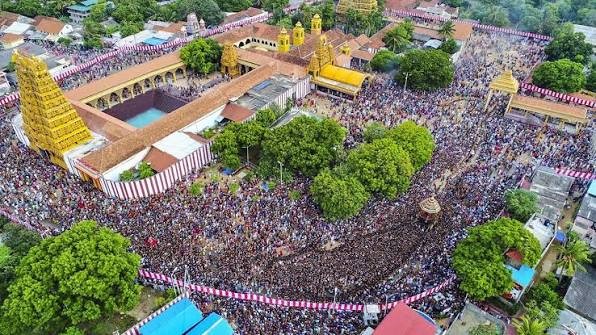
Located in Jaffna, Nallur Kandaswamy Temple is one of Sri Lanka’s most prominent Hindu religious sites. Dedicated to Lord Murugan, the deity associated with courage, wisdom and victory, the temple is an important spiritual centre for Tamil Hindus.
The temple is known for its striking gopuram, traditional Dravidian architectural features and elaborate religious ceremonies. Its annual festival attracts devotees from across Sri Lanka and members of the Tamil diaspora, making it an important expression of Tamil Hindu identity. <Cite refs={[“turn771967search1”]}/>
2. Koneswaram Temple
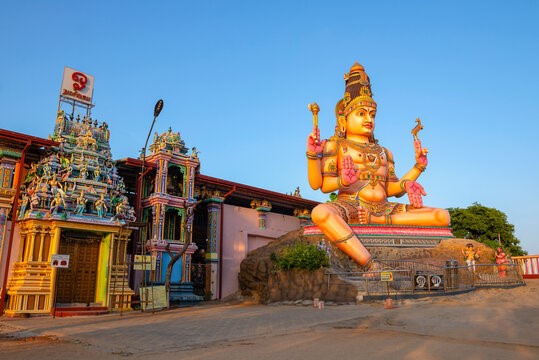
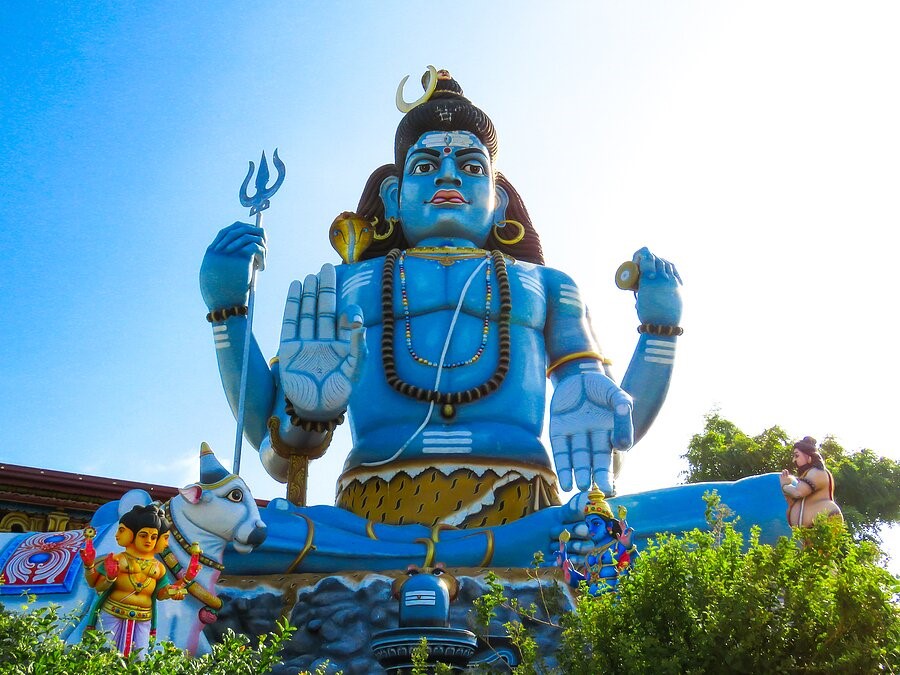
Koneswaram Temple stands on Swami Rock in Trincomalee, overlooking the Indian Ocean. Dedicated to Lord Shiva, it is one of the island’s historically significant Hindu shrines.
The temple is associated with ancient religious traditions and has experienced major historical changes, including destruction during Portuguese colonial rule in the seventeenth century. It was subsequently rebuilt and remains an important place of worship.
Its coastal setting, religious ceremonies and cultural heritage make Koneswaram a significant destination for Hindu pilgrims and visitors interested in Sri Lanka’s history.
3. Munneswaram Temple
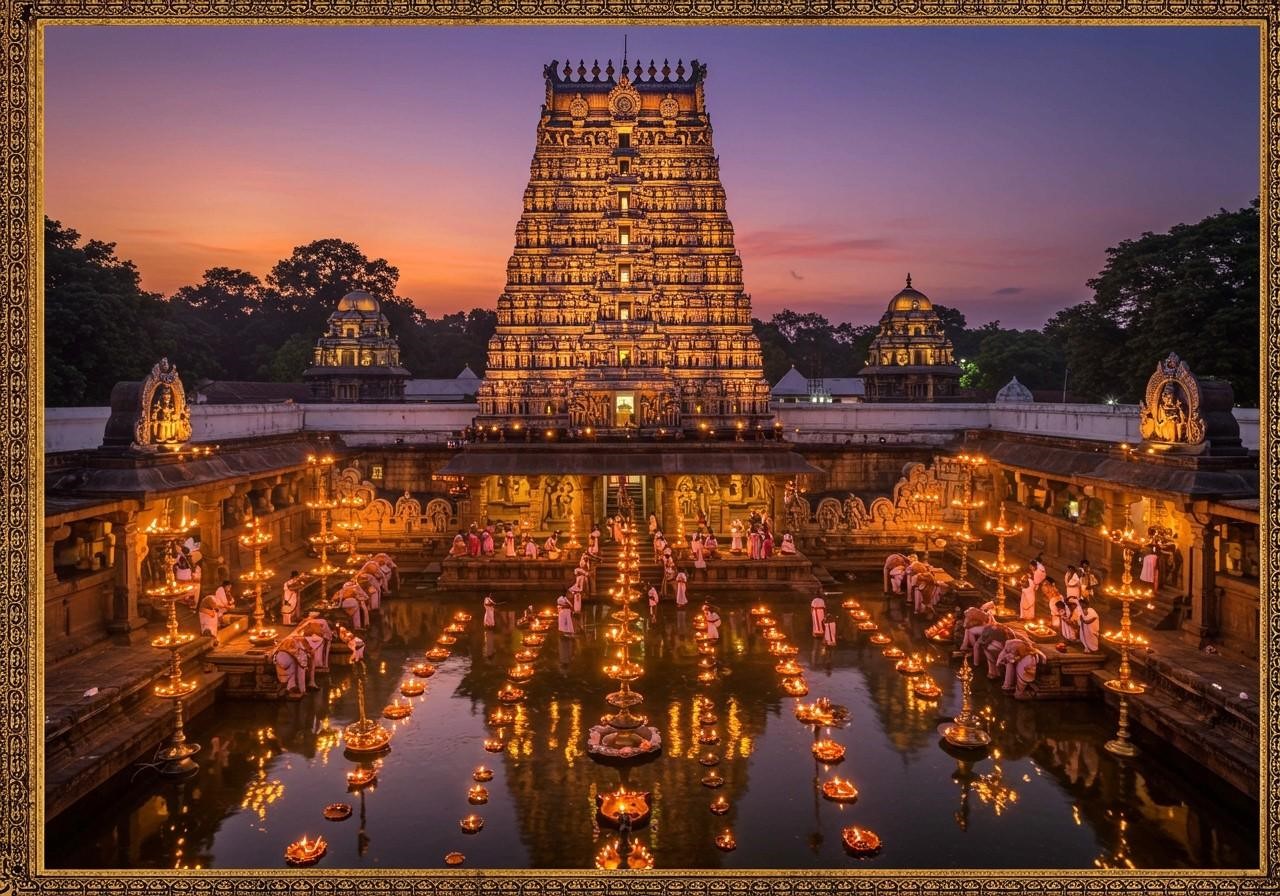
Munneswaram Temple, located near Chilaw in western Sri Lanka, is another important Hindu religious complex dedicated principally to Lord Shiva. The temple is associated with longstanding Hindu traditions and attracts devotees during its annual festival.
Its religious importance extends beyond the immediate Hindu community, reflecting the broader connections between sacred sites and local cultural traditions in Sri Lanka.
4. Kataragama Temple
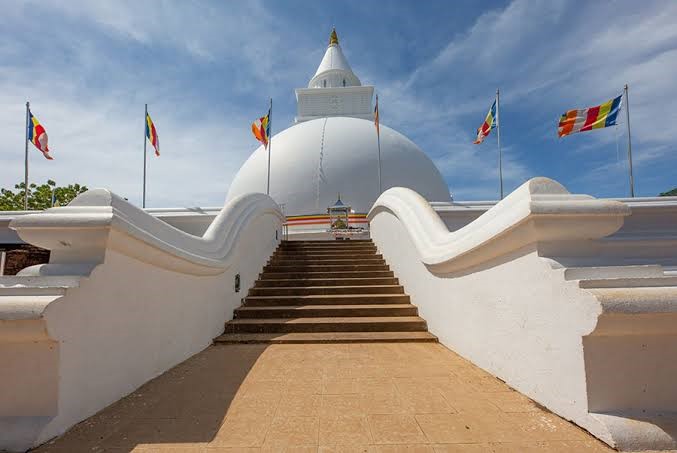
Kataragama, in southern Sri Lanka, is an important pilgrimage destination associated with Lord Murugan, also widely known as Skanda or Kataragama Deviyo. The site attracts people from different religious backgrounds, including Hindus and Buddhists.
This shared pilgrimage tradition illustrates how religious practices in Sri Lanka sometimes cross community boundaries, creating spaces where different groups participate in devotion to a widely revered sacred figure.
Major Hindu Festivals Celebrated in Sri Lanka
Hindu festivals are an important part of Sri Lanka’s cultural calendar. They bring families and communities together through prayer, music, traditional food, processions and religious ceremonies.
Thai Pongal
Thai Pongal is a harvest festival celebrated primarily by Tamil communities. Families prepare a traditional dish of newly harvested rice, milk and other ingredients as an offering of gratitude for agricultural abundance and the natural forces that support life.
Homes are decorated with colourful kolam designs, and relatives gather to share food and celebrate the beginning of the Tamil month of Thai. The festival reflects the close relationship between Hindu traditions, agriculture and family life.
Maha Shivaratri
Maha Shivaratri is dedicated to Lord Shiva and is observed through prayer, fasting, temple visits and night-long worship. Devotees seek spiritual reflection, blessings and a deeper connection with the divine.
Temples dedicated to Shiva, including Koneswaram and other important shrines, become focal points for religious observances during the festival.
Deepavali
Deepavali, also known as Diwali, symbolises the triumph of light over darkness and good over evil. Hindu families celebrate by lighting oil lamps, decorating their homes, preparing sweets, wearing new clothes and offering prayers.
In Sri Lanka, Deepavali is particularly significant among Tamil Hindu communities and is an occasion for family reunions, religious observance and the preservation of cultural traditions.
Thaipusam and the Kataragama Festival
Thaipusam is associated with devotion to Lord Murugan and is observed through prayers, processions and acts of religious commitment. Depending on local traditions, devotees may make offerings or undertake vows as expressions of faith.
The annual Kataragama festival attracts pilgrims who participate in ceremonies and processions connected with the worship of Kataragama Deviyo. These gatherings highlight the importance of pilgrimage in Sri Lanka’s religious landscape.
Hindu Philosophy and Religious Practices
Hindu religious life in Sri Lanka encompasses a wide range of beliefs and practices. Daily worship may include lighting lamps, chanting prayers, offering flowers and preparing food offerings for deities.
Temples conduct puja, or ritual worship, throughout the year. Priests perform ceremonies according to established traditions, while devotees seek blessings for their families, education, health, work and spiritual development.
Hindu philosophical traditions also emphasise concepts such as dharma, karma, compassion and the pursuit of spiritual understanding. These principles influence ethical teachings, family customs and religious education within Hindu communities.
Many families introduce children to religious stories, devotional songs and traditional festivals from an early age. These practices help preserve cultural knowledge while maintaining connections with ancestral traditions.
Hinduism and Tamil Cultural Identity
Hinduism has a close relationship with Tamil cultural identity in Sri Lanka. Tamil language, devotional poetry, classical music, temple festivals and traditional dance contribute to the expression of Hindu religious life.
Religious celebrations often feature Tamil devotional songs, traditional instruments and elaborate processions. Temples also function as community centres where people meet, organise cultural events and support local charitable activities.
The connection between religion and cultural identity has been especially important for Tamil communities during periods of political instability and displacement. For many families, temples and religious observances provide continuity, a sense of belonging and a link to their heritage.
At the same time, Sri Lankan Hinduism is not a single uniform tradition. Practices vary by region, family history, temple affiliation and the particular deity worshipped.
Hinduism in Modern Sri Lanka
Hindu communities continue to maintain their religious traditions through temples, educational initiatives, cultural organisations and public festivals. The Sri Lankan government’s Department of Hindu Religious and Cultural Affairs also provides administrative support relating to Hindu religious institutions and cultural activities. <Cite refs={[“turn771967search6”]}/>
However, Hindu communities have also faced significant challenges. Sri Lanka’s prolonged civil conflict, which ended in 2009, caused displacement, loss and disruption for many Tamil families, particularly in the north and east. These experiences affected community life, family networks and access to some religious and cultural sites.
In the years since the conflict, preserving temples, maintaining religious education and rebuilding community connections have remained important concerns for many people.
Hindu communities also contribute to the wider economy and cultural life of the country through education, business, agriculture, the arts and community service.
Religious Diversity and Coexistence
Sri Lanka is home to Buddhist, Hindu, Muslim and Christian communities, each with its own traditions and places of worship. This diversity is an important part of the country’s history and contemporary society.
Some pilgrimage sites, such as Kataragama, hold significance for people from different religious backgrounds. Such shared spaces demonstrate how local religious traditions can develop through centuries of interaction.
Although relations between communities have sometimes been affected by political tensions and ethnic conflict, religious and cultural engagement continues to provide opportunities for dialogue and mutual understanding.
Respect for different beliefs, protection of sacred sites and equal treatment of religious communities are important to preserving Sri Lanka’s diverse cultural heritage.
Conclusion
Hinduism in Sri Lanka represents a rich combination of ancient religious traditions, Tamil cultural heritage and continuing spiritual practice. From the historic Nallur Kandaswamy Temple in Jaffna to the sacred Koneswaram shrine overlooking the Indian Ocean, Hindu religious sites remain important centres of devotion and cultural identity.
Festivals such as Thai Pongal, Maha Shivaratri and Deepavali continue to bring communities together, while temple worship and family traditions help pass religious knowledge between generations.
Despite historical challenges, Hinduism remains an enduring part of Sri Lanka’s religious landscape. Its temples, festivals, philosophical traditions and cultural contributions continue to shape the island’s identity and illustrate the lasting connections between faith, heritage and community life.